
Motherboards Up 50 Percent in Q3: 200 Dollar Boards Push Past 300 [2026]
Friday, September 11, 2026Updated September 11, 2026: ASUS, Gigabyte, and MSI are raising motherboard prices in Q3 2026, with consumer boards reportedly headed up by at least 50 percent as PCB and component costs surge. Board Channels supply-chain reporting, carried by VideoCardz on August 4 and followed by PC Gamer on September 4, puts PCB costs up 15 to 50 percent, capacitors up about 50 percent, and Wi-Fi modules up 10 to 20 percent. A $200 board past $300 is the working example. Here is what is rising, who already moved, and how to buy around it.
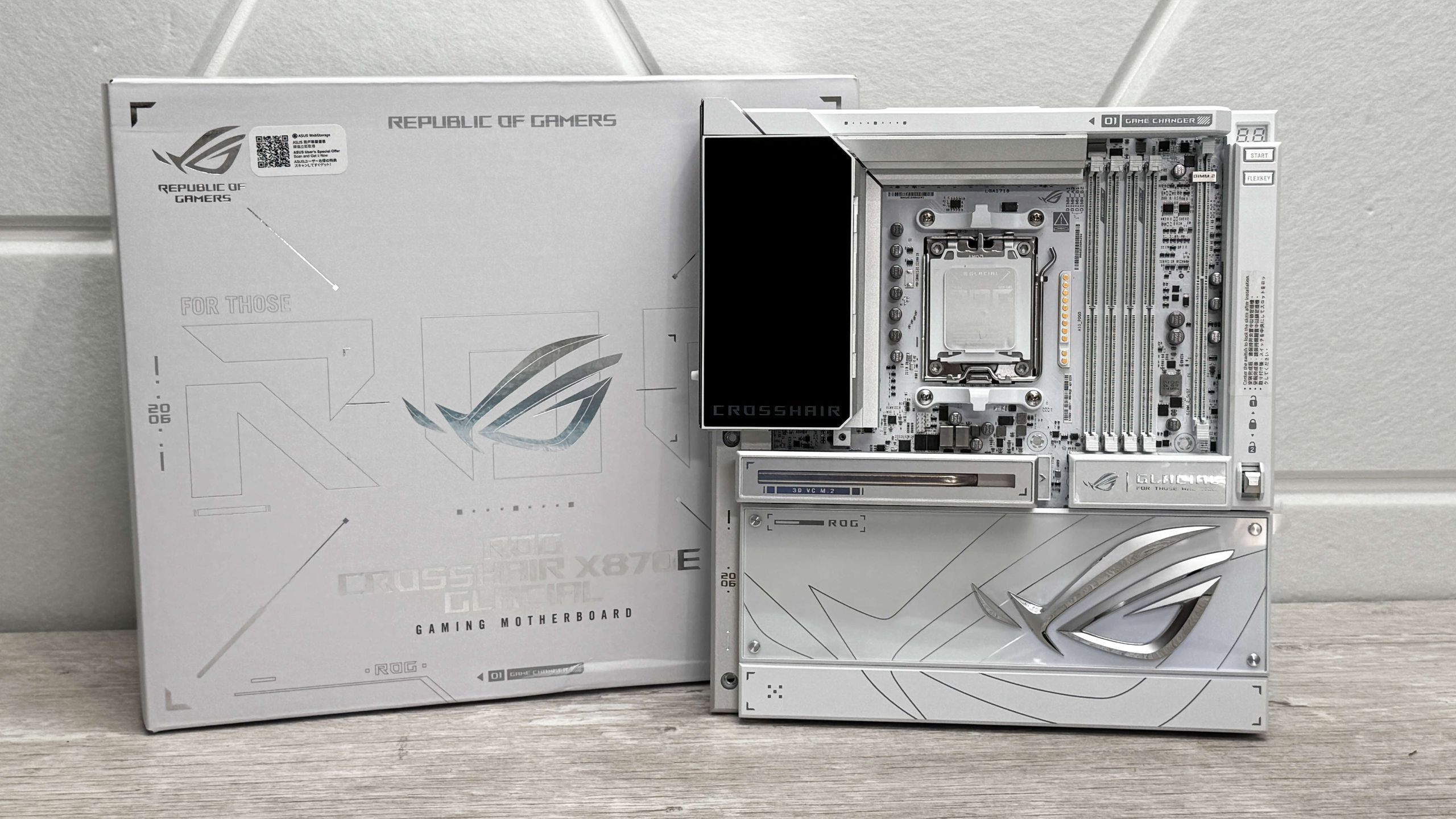
Table of Contents
- The Board Channels Report
- What Exactly Is Rising
- Who Already Moved in August
- The Math: $200 to $300
- The Shipment Collapse Behind It
- The Whole PC Is Repricing
- Cost Increases at a Glance
- Buy Now or Wait by Part
- The Buying Strategy
- Bottom Line
- Frequently Asked Questions
1. The Board Channels Report
The story originates with Board Channels, a Chinese distribution-channel forum that tracks graphics card and motherboard supply, via VideoCardz on August 4, 2026. The report's core claim: PCBs used in consumer motherboards will cost at least 50 percent more in 2026, and ASUS, Gigabyte, and MSI are preparing channel price increases during Q3 to cover it. TweakTown's Hassam Nasir summarized the stakes the same day: "A $200 motherboard could jump past $300 by Q3 2026."
Coverage piled on fast. Hardware Busters, Guru3D, Notebookcheck, Digital Trends, CNET, and Igor's Lab all carried the report within days, and PC Gamer's Jess Kinghorn refreshed it September 4 with new detail from the Board Channels source. No manufacturer has publicly confirmed a universal increase, as Guru3D explicitly notes. But the reporting has been consistent across outlets for five weeks, and Quandary Peak Research senior director Joshua Goshorn told CNET he found the report credible.
Goshorn's reasoning, in his email to CNET: "With so much demand generally for PCBs and materials and processes needed to create the PC motherboard, it seems reasonable that the cost of the PC motherboard from MSI, ASUS, etc. will increase." He added the increases could be modest compared to RAM and storage spikes. An analyst calling it reasonable is not a confirmation, but it is the difference between rumor and credible forecast.
2. What Exactly Is Rising
PC Gamer's September 4 breakdown of the Board Channels source gives the component ledger. Motherboard PCB prices alone rose between 15 and 50 percent. Wi-Fi modules went up 10 to 20 percent. Capacitor prices rose approximately 50 percent. The source's summary line: "The rise in raw material prices for components has at least a 10% impact on the cost of motherboards," meaning retail prices must follow because the floor moved.
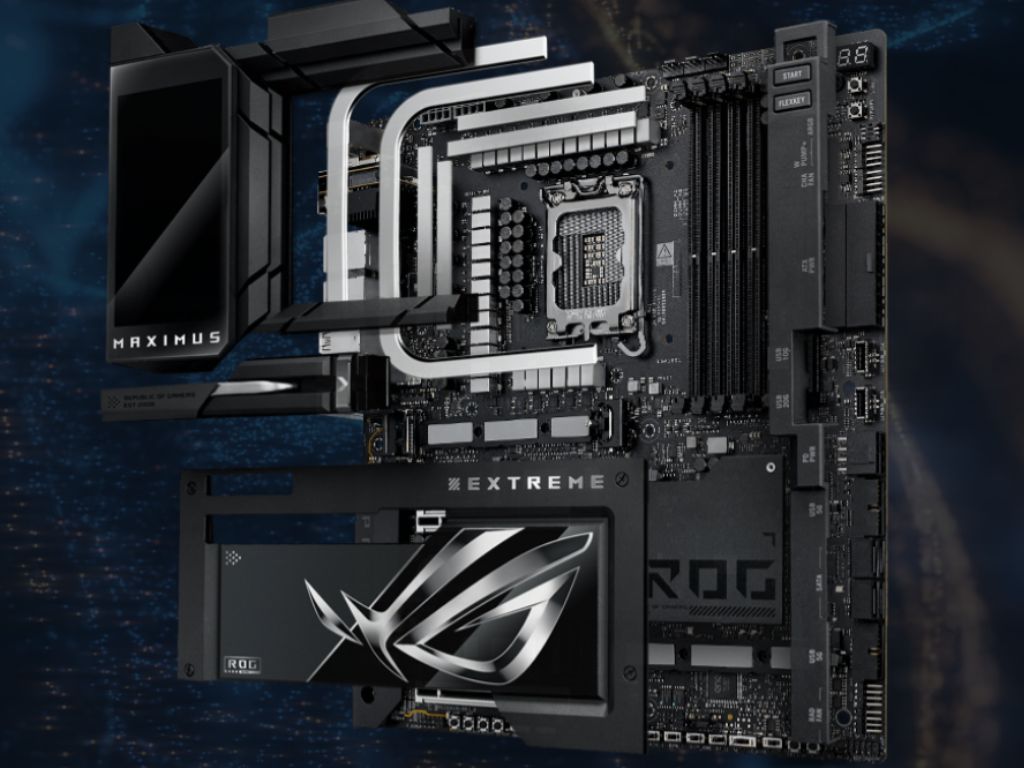
TweakTown's version of the bill of materials adds copper, surface-mount capacitors, power delivery components, and controller chips, plus spread fixed costs for development and logistics across fewer units. Guru3D adds the premium-feature surcharge: complex multilayer PCBs, PCIe 5.0 routing, USB4 controllers, Wi-Fi 7, high-current VRMs, and multiple M.2 cooling assemblies concentrate the worst increases in high-end boards, with affordable boards rising a milder 10 to 20 percent and flagships facing 40 to 50 percent.
Copper deserves its own mention. The FPS Review flagged it August 5: the primary motherboard material has risen for a decade, copper theft is a global phenomenon, and the bill of materials has now come due. When the slab of fiberglass and copper your CPU bolts onto becomes inflationary, as Hardware Busters put it, there is no cheaper substitute to engineer around. Copper is copper.
3. Who Already Moved in August
August was the soft launch. Per the Board Channels source via PC Gamer, overall motherboard increases in August were small, around 3 percent on limited models. MSI raised prices across the board. ASUS and Gigabyte raised only main models, by 5 to 50 yuan, which converts to roughly $0.74 to $7.44. Chinese domestic brands Colorful and Maxsun moved 10 to 20 yuan. The source's warning: "There is still room for motherboard costs to rise, and it is possible that motherboard manufacturers will continue to raise prices for certain models in the coming months."
That pattern, small August moves plus explicit warnings of more, is how component hikes historically phase in. Vendors test elasticity with minor adjustments on select SKUs, watch sell-through, then widen the increases. The August data point that matters is not the 3%, it is the stated intent behind it. The industry told distribution channels to expect Q3 moves, and September sits inside Q3.
Maingear, the custom PC builder, told CNET that motherboards have "stayed relatively flat" compared to storage and memory, with no cost jump yet but one possibly coming. When the builders who buy boards by the thousand say flat-for-now, believe the calm and prepare for the storm. Their purchasing teams see price letters before retail does.
4. The Math: $200 to $300
TweakTown's worked example is the number to remember: a $200 motherboard jumping past $300 on a 50% hike. Guru3D's tiered version is more precise and less scary for budget builders: affordable boards up 10 to 20 percent, high-end boards up 40 to 50 percent. A $120 B-series board becomes $132 to $144. A $400 flagship becomes $560 to $600. The pain concentrates exactly where enthusiasts shop.
TweakTown's FAQ section pushes the compounding further: combined memory, motherboard, and CPU increases squeezing budget builds so hard that a system under $600 could cost roughly double. Doubling sounds extreme until you stack the verified pieces. Our DDR5 coverage has 32GB kits at $400, GPUs sit far above MSRP per our RTX 5090 street-price tracking, and now the board itself adds up to $100. A budget build absorbs three simultaneous spikes with no slack anywhere.
Igor's Lab adds the cushioning caveat: retail inventories, regional markets, and existing contracts can delay and dilute the increases. A 50% PCB cost rise does not mean every board costs 50% more tomorrow. It means the replacement stock behind today's shelf price costs more, and shelf prices follow as inventory turns. Buying before the turn is the entire strategy, detailed in section 9.
5. The Shipment Collapse Behind It
The hikes land on a shrinking market, which is what makes them structural rather than cyclical. Igor's Lab reports ASUS struggling to reach 10 million motherboards in 2026 after more than 15 million units cited for 2025, with MSI and Gigabyte also falling well below prior figures. Notebookcheck adds that ASUS already cut its 2026 shipment target once and may miss the lowered bar, while MSI and Gigabyte face double-digit shipment drops.
Hardware Busters states the mechanism plainly: development, tooling, validation, and logistics costs do not shrink with volume, so spreading the same engineering bill across two-thirds of the units raises per-board cost before any component gets pricier. That is a quarter to a third of volume gone, in their framing, with fixed costs looming over the remaining units. Price hikes then suppress demand further, which shrinks the next run, which raises per-unit fixed costs again. The loop is the story.
The demand side is AI infrastructure eating the supply chain from above. Igor's Lab puts it directly: server boards, AI platforms, and datacenter components generate better margins than desktop motherboards, so capacity and materials flow uphill. DigiTimes, via Notebookcheck, reports memory now takes the largest share of a PC's total cost ever recorded. The DIY builder competes with datacenters for materials and loses on margin every time.
6. The Whole PC Is Repricing
Motherboards are the last domino, not the first. Memory went first and worst, with DDR5 kits doubling and RAM dubbed Ramageddon across the press. Storage followed as NAND supply tightened. GPUs detached from MSRP at the high end while shipping growth hid in laptops, per our Q2 GPU shipment analysis. CPUs face October hikes, which we tracked in our Intel price hike coverage. The motherboard was the last major component still near its old price. That grace period is ending.
Prebuilt makers feel it too, which removes the usual escape hatch. CNET notes Dell raised prices 15 to 20 percent in December with Lenovo following in January, per Spiceworks' component-crunch tracking, and Maingear confirms builders face the same cost curves as DIY buyers. Volume purchasing and stockpiles cushion vendors temporarily, as CNET's analyst sources explain, but the cushion delays rather than prevents. When builders and DIY buyers face the same direction, the direction is the market.
The platform angle sharpens the pain. Our X870E vs Z890 comparison and AM5 socket coverage show builders mid-platform-cycle, and a motherboard hike taxes exactly the upgrade those buyers planned. Socket longevity arguments assume affordable boards. If B-series boards rise 20% and flagships rise 50%, the platform math changes under buyers who already committed to CPUs.
7. Cost Increases at a Glance
| Component / Cost | Reported Increase | Source |
|---|---|---|
| Motherboard PCBs | Up 15 to 50%, at least 50% expected in 2026 | Board Channels via VideoCardz, PC Gamer Sept 4 |
| Capacitors | Up approximately 50% | Board Channels via PC Gamer Sept 4 |
| Wi-Fi modules | Up 10 to 20% | Board Channels via PC Gamer Sept 4 |
| Retail boards, affordable | Up 10 to 20% | Guru3D, Aug 4 |
| Retail boards, high-end | Up 40 to 50%, $200 board past $300 | Guru3D and TweakTown, Aug 4 |
| August moves so far | Around 3%, limited models, 5 to 50 yuan | Board Channels via PC Gamer Sept 4 |
8. Buy Now or Wait by Part
| Part | Verdict | Why |
|---|---|---|
| Motherboard | Buy now | Q3 hikes landing, August moves were the warning, current shelf stock predates increases |
| Memory | Already spiked | DDR5 at records, no relief signal, buy only what the build needs |
| Desktop GPU | Wait | Desktop shipments down 4%, street prices far above MSRP, no buy signal |
| CPU | Buy before October | Intel hikes land October 5, buy the chip with the board |
| Full new build | Price it today | Three simultaneous spikes, lock current prices or delay the whole project |
9. The Buying Strategy
The motherboard is the one component where buying early still works, because shelf stock turns slower than memory and the hikes phase in by SKU. Check current prices on the exact board your build needs, compare against August pricing if your retailer shows history, and buy the board plus CPU together before October's processor hikes stack on top. TweakTown's FAQ advice is blunt: buy or upgrade before Q3 ends to dodge the reported jump plus concurrent memory and CPU increases.
Favor affordable chipsets harder than usual. Guru3D's tiering means B-series and H-series boards absorb 10 to 20 percent while flagships take 40 to 50, so the premium for PCIe 5.0 lanes, USB4, and Wi-Fi 7 just got steeper. Unless the build genuinely needs flagship I/O, the mid-range board is the rational buy, and the price gap between tiers is about to widen in its favor.
Consider the used market with eyes open. Pre-hike boards will circulate as upgraders sell, and a quality used B650 or B760 board dodges the entire increase. Verify socket, BIOS revision for your CPU, and seller reputation, and remember no warranty transfers on most brands. In a rising market, used stops being the compromise option and becomes the strategy.
10. Bottom Line
Motherboard hikes are the most predictable price increase in PC hardware right now. The supply-chain source named the amounts, the analyst called them credible, August delivered the opening moves, and the calendar says Q3. Nothing about this story requires believing an anonymous forum poster. It requires believing arithmetic: PCBs up half, volumes down a third, fixed costs fixed.
Buy the board now if a build is planned. Buy it with the CPU before October 5. Favor mid-range chipsets, watch shelf prices weekly through September, and treat every week of delay as a gamble against stated vendor intent. The DIY market survived memory and GPU spikes by adapting. The motherboard is simply next in line, and the line is moving.
Frequently Asked Questions
Q: Are motherboard prices really going up 50%?
A: PCB costs are reported up 15 to 50%, per Board Channels via VideoCardz and PC Gamer, with retail high-end boards facing 40 to 50% increases per Guru3D and affordable boards 10 to 20%. No manufacturer confirmed a universal 50% hike. Treat the top-line number as the ceiling for flagships, not the average.
Q: Which manufacturers are raising prices?
A: ASUS, Gigabyte, and MSI, per the Board Channels report. MSI already raised across the board in August, while ASUS and Gigabyte moved select models by 5 to 50 yuan. Chinese brands Colorful and Maxsun made smaller 10 to 20 yuan moves.
Q: When do the hikes take effect?
A: Q3 2026, which means now. August saw opening moves around 3% on limited models, with the source warning of continued increases in the coming months. September shelf stock still largely predates the hikes, which is the buying window.
Q: Why are motherboards getting more expensive?
A: PCB costs up to 50%, capacitors up about 50%, Wi-Fi modules up 10 to 20%, plus copper, controller chips, and VRMs, all while shipment volumes collapse and fixed engineering costs spread across fewer units. AI datacenter demand pulls materials uphill on margin.
Q: Should I buy a motherboard now?
A: Yes, if a build is planned. Current retail stock predates the reported Q3 increases, mid-range boards face smaller hikes than flagships, and buying the CPU alongside dodges October 5 processor hikes too. Waiting bets against stated vendor intent.
Q: Does this affect prebuilt PCs too?
A: Yes. Dell and Lenovo already raised system prices over the winter, Maingear confirms builders face the same curves, and volume purchasing only delays the pass-through. No buyer category escapes a bill-of-materials increase this broad.
Byline: Indie Kings | September 11, 2026
Labels: Hardware
Related: DDR5 Hits $400 for 32GB as Prices Soar | RTX 5090 Melts After DLSS5, Prices Hit $5,090 | X870E vs Z890: 120Gbps vs 40Gbps, 7 M.2 Differences